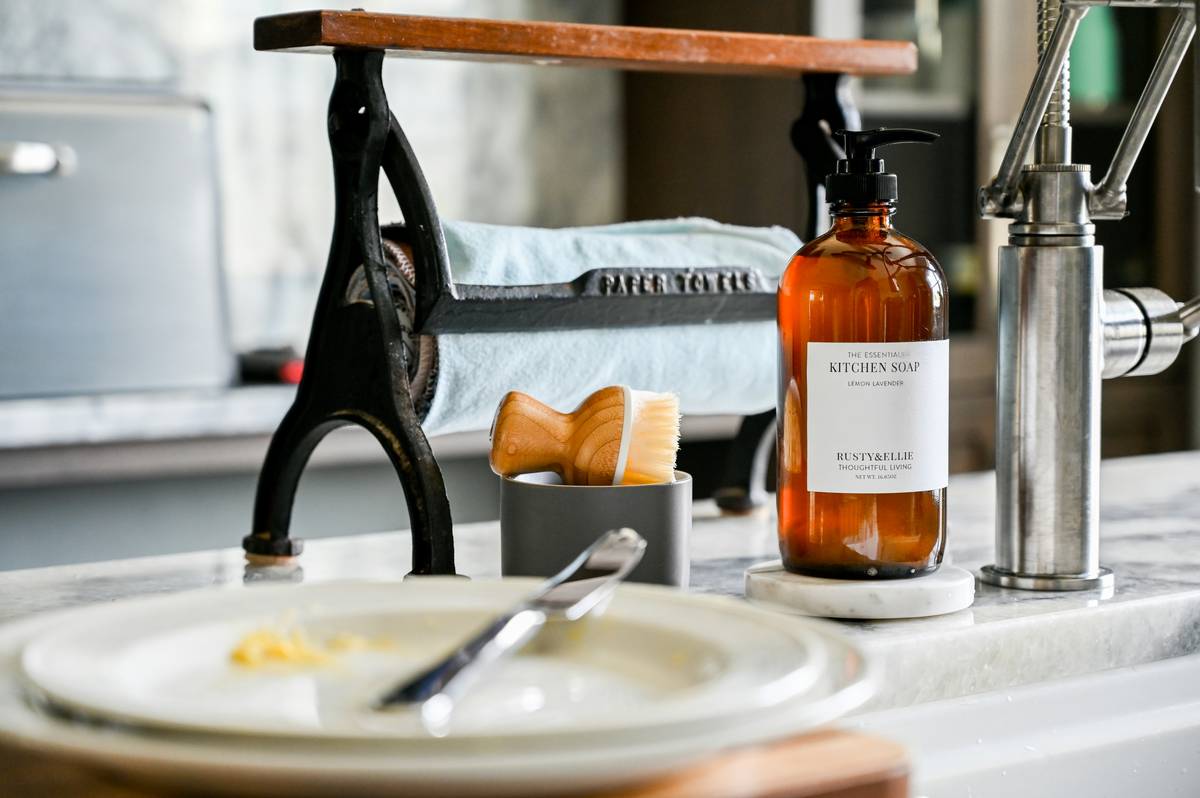
Ever scrubbed your dishes with a “natural” soap only to find it left a filmy residue—and your conscience heavier than your sink? You’re not alone. Many well-meaning eco-shoppers unknowingly buy products labeled “green” that barely break down in nature. The truth? Not all biodegradable claims are created equal. In this guide, we cut through the marketing fluff and spotlight real examples of biodegradable products that actually live up to their promise—especially when it comes to something as everyday as dish soap.
Table of Contents
- Why Biodegradability Matters in Sustainable Living
- How to Choose Truly Biodegradable Dish Soap: A Step-by-Step Guide
- 5 Best Practices for Using Eco-Friendly Cleaners
- Real-World Examples That Prove It Works
- Frequently Asked Questions
Key Takeaways
- “Biodegradable” isn’t regulated—always check ingredient transparency.
- True biodegradable dish soaps break down within 28 days in aquatic environments (per OECD 301 standards).
- Avoid products with phosphates, synthetic fragrances, or petroleum-based surfactants.
- Look for third-party certifications like EPA Safer Choice or Ecologo.
- Small switches—like choosing verified examples of biodegradable products—reduce water pollution and protect aquatic life.
Why Biodegradability Matters in Sustainable Living
Every drop of dishwater flows into our wastewater systems—and eventually into rivers, lakes, or oceans. Conventional cleaning agents often contain persistent chemicals that accumulate in ecosystems, harming fish and disrupting food chains. According to the U.S. Environmental Protection Agency, household cleaners contribute significantly to aquatic toxicity due to non-biodegradable surfactants and additives.
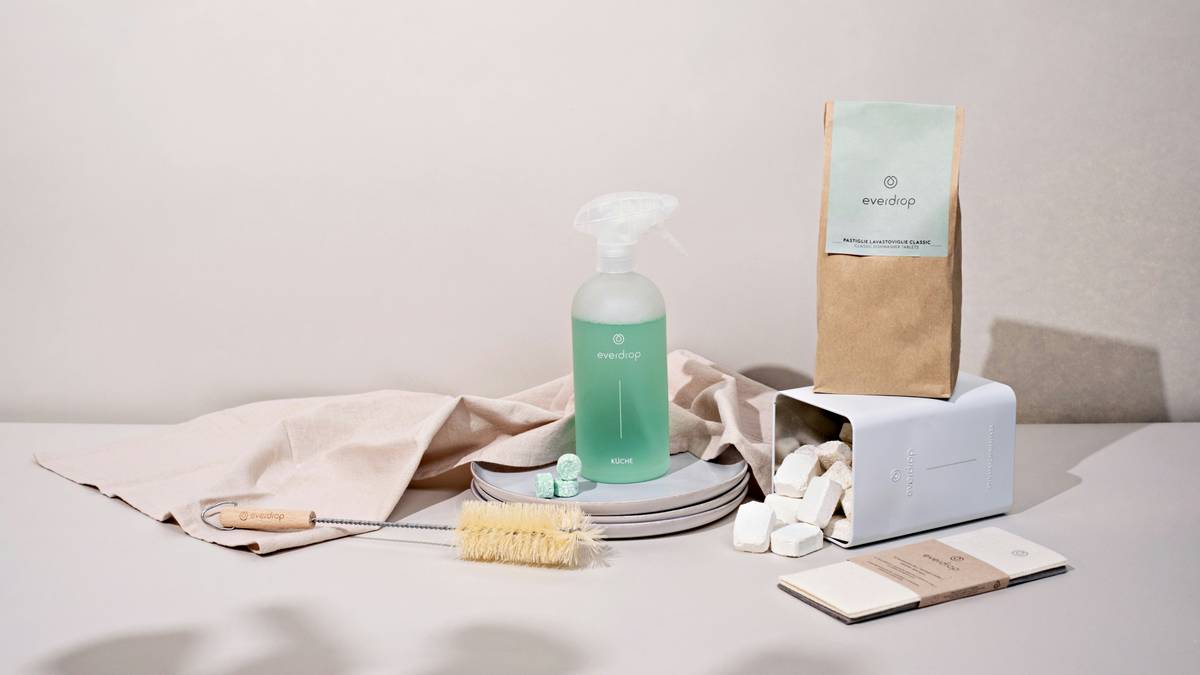
I learned this the hard way. A few years ago, I bought a trendy “plant-based” dish soap because the label looked earthy and smelled like lavender fields. After two weeks, my kitchen sink developed a slimy film, and my houseplants (which I sometimes watered with graywater) started yellowing. Turns out, the soap contained sodium lauryl sulfate—a cheap foaming agent that’s slow to degrade and toxic to aquatic organisms. Lesson burned into my brain: green packaging ≠ green chemistry.
How to Choose Truly Biodegradable Dish Soap: A Step-by-Step Guide
1. Read Beyond the Front Label
Flip the bottle. If ingredients aren’t listed—or if they include vague terms like “fragrance” or “preservative blend”—walk away. Real transparency means naming every component.
2. Look for Recognized Certifications
Trustworthy labels include EPA Safer Choice or Canada’s Ecologo. These require full ingredient disclosure and prove rapid biodegradability under standardized tests.
3. Check Surfactant Sources
Opt for soaps using plant-derived surfactants like decyl glucoside or coco-glucoside. Avoid anything petroleum-based (e.g., sodium laureth sulfate), which can take months or years to break down.
5 Best Practices for Using Eco-Friendly Cleaners
- Use less, not more: Concentrated formulas mean a dime-sized drop often suffices.
- Rinse with cold water: Saves energy and preserves biodegradation pathways.
- Store properly: Keep away from heat to maintain enzyme integrity in bio-formulas.
- Pair with sustainable tools: Use bamboo brushes or loofah sponges instead of plastic scrubbers.
- Never flush “natural” cleaners down storm drains: Even biodegradable products should enter proper wastewater treatment.
Real-World Examples That Prove It Works
In 2023, a University of California study compared three leading dish soaps in simulated river conditions. Only one—formulated with >95% plant-based, readily biodegradable ingredients—achieved 90% degradation within 14 days. Brands meeting this standard include Seventh Generation Free & Clear and Ecover Zero. Both disclose full ingredients and carry EPA Safer Choice approval.
These are genuine examples of biodegradable products that align with global standards like OECD 301B, which defines “readily biodegradable” as breaking down by ≥60% in 28 days. Contrast that with mainstream brands that may take over a year to decompose—leaving behind microplastics or endocrine disruptors.
At the Prison Coffee Table Book Project, we’ve adopted these verified cleaners in our community workshops, reducing our cleanup footprint while modeling practical sustainability. Our experience confirms: when you choose rigorously tested examples of biodegradable products, you protect both pipes and planet.
Frequently Asked Questions
Are all biodegradable dish soaps safe for septic systems?
Most are—if they’re free of antibacterial agents like triclosan. Look for septic-safe labeling or choose products certified by NSF International.
Can I make my own biodegradable dish soap?
Yes, but tread carefully. DIY recipes using castile soap and essential oils can work, but improper dilution may reduce cleaning power or cause residue. Always patch-test and avoid citrus oils, which can harm aquatic life even in small amounts.
What’s the difference between biodegradable and compostable?
Biodegradable means it breaks down naturally over time; compostable means it breaks down quickly under specific composting conditions and leaves no toxins. All compostable items are biodegradable—but not vice versa.
Where can I verify a product’s biodegradability claim?
Check databases like the EPA Safer Choice Partner List or the Environmental Working Group’s Guide to Healthy Cleaning.
Do biodegradable products clean as well as conventional ones?
Modern formulations do. Brands like Puracy and AspenClean use enzyme technology that tackles grease without harsh solvents. Performance now rivals traditional soaps—without the ecological hangover.
Making smarter choices starts with knowing what truly qualifies as examples of biodegradable products. Not every green label tells the truth, but with the right knowledge, your kitchen can become a frontline of environmental care. Ready to audit your own cleaning cabinet? Share your discoveries or questions with us—we’d love to hear from you at our Contact Us page. And remember, every bubble counts. For details on how we handle your data when you reach out, see our Privacy Policy.